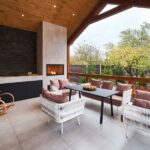
Luxury may begin with what sits inside a home, where homeowners can select materials and shape rooms around their personal tastes. Yet much of what makes an exceptional property memorable comes from beyond its walls, whether that means waking up to an expansive view or spending an evening outside without nearby activity intruding.
Considering how surroundings shape a luxury home experience brings that larger setting into focus. The environment can influence daily life, particularly when the home draws on qualities that renovations alone cannot reproduce.
Views Change the Experience From Inside the Home
Although buyers may first notice a dramatic view from a balcony or patio, scenery can have an even greater effect when the home’s architecture brings it into everyday living spaces. Windows oriented toward the landscape can make the setting part of ordinary routines without requiring residents to seek out a particular viewpoint.
When a living room faces an uninterrupted stretch of mountain ridges, the scenery can create a sense of openness that has little to do with the room’s dimensions. Water beyond a bedroom window can draw attention past the home’s boundaries, while mature trees outside frequently used rooms may limit views of neighboring properties.
Because a beautiful setting has less impact when residents can see it from only one isolated corner, the home’s orientation deserves consideration alongside the scenery itself. Thoughtful window placement and well-situated outdoor spaces can bring distinctive views into the parts of the property residents use most.
Privacy Can Matter More Than Additional Space
Even on a large property, outdoor areas can feel exposed when neighboring houses overlook the places where residents want to relax. A smaller residence may deliver a greater sense of personal space when natural terrain or carefully planned landscaping creates separation without closing the property off.
Where elevation changes across the land, the terrain may interrupt direct sightlines between neighboring homes and create privacy around outdoor spaces. Mature vegetation can provide additional separation, while distance from a busy road may limit the traffic noise that reaches the house.
For owners who envision spending considerable time outside, privacy can influence whether expensive exterior amenities become genuine living spaces. A pool or terrace offers a different experience when residents can settle in without feeling overlooked.
Location Determines How Owners Experience the Area
Even when a property provides remarkable scenery and privacy, its location within the larger destination can shape how residents spend their time. Buyers who choose a luxury retreat usually have specific reasons for wanting to be in the area, making access to those experiences an important part of evaluating the setting.
For someone considering a mountain residence, convenient access to a favorite ski area or trail system may matter alongside some distance from heavily traveled destinations. Because communities offer different combinations of scenery and accessibility, examining how location impacts mountain property value provides useful context for the connection between setting and broader appeal.
Beyond mountain destinations, a desirable location depends on the lifestyle an owner wants. A waterfront buyer might prioritize usable shoreline access, while a rural homeowner could care more about how easily a trip into town fits into an ordinary day.
The Landscape Can Guide Outdoor Living
When outdoor living areas respond directly to a property’s natural characteristics, they can feel more connected to the home than spaces planned without regard for the landscape. Homeowners have an opportunity to create something distinctive when the site itself influences where they spend time outdoors.
On a wooded lot, an inviting deck might face a secluded portion of the property where mature trees form a natural backdrop. Along the water, homeowners could orient an outdoor dining area toward the shoreline so meals take advantage of the setting. In each case, the property’s defining characteristics guide how residents use exterior space.
As homeowners begin using these areas for meals or quiet evenings, the connection between landscape and design becomes part of the property’s identity. Outdoor living grows from the qualities that made the location appealing in the first place.
Natural Conditions Influence Everyday Comfort
Once homeowners identify where they want to spend time outdoors, environmental conditions can determine how comfortably those spaces function throughout the day. A terrace with an exceptional view may receive intense afternoon sun, while an area protected by the house or vegetation could remain comfortable much later.
Even when an elevated location delivers the scenery that attracted a buyer, persistent wind can determine whether an exposed terrace becomes a favorite gathering place. Paying attention to these conditions allows homeowners to place frequently used spaces where the site provides greater protection.
Inside the residence, orientation can create equally noticeable differences as natural light moves across the property. Rooms facing one direction may stay bright for much of the day, while another part of the house can offer softer light that suits a different purpose.
Seasonal Changes Reveal Another Side of the Setting
For properties in scenic destinations, the surroundings may change enough throughout the year to alter both the home’s appearance and the way residents use it. Changing foliage can affect views or privacy, while winter weather may reshape a mountain setting that felt completely different during summer.
As the seasons shift, interior and exterior spaces can take on different personalities without physical changes to the house. A room that feels expansive during warm weather may become a more intimate gathering place when snow changes the scene outside.
Visiting a potential home during different seasons can reveal characteristics that a single showing might not capture. A return trip may show how winter weather affects access or how vegetation changes privacy, giving buyers a fuller sense of living there throughout the year.
The Right Setting Reflects the Owner’s Priorities
Because luxury means something different to every homeowner, the most desirable setting depends on how someone wants everyday life at the property to feel. One buyer may value woodland and seclusion, while another might accept less privacy for easier access to favorite destinations.
When buyers compare properties, finishes and amenities provide relatively straightforward points of comparison, but the surrounding environment requires a more personal judgment. Thinking through an ordinary day at the home can reveal whether the setting supports the experiences that will matter after the excitement of a first visit fades.
If residents can enjoy what attracted them to the destination without planning an excursion every time they leave the house, the location contributes more directly to daily life. The property can then feel closely suited to how its owners genuinely prefer to spend their time.
Luxury Continues Beyond the Property Line
Although beautiful interiors and sophisticated amenities contribute to an exceptional residence, future renovations cannot create some of the qualities owners value most. The view from a favorite room or the privacy surrounding an outdoor gathering space comes from the relationship between the house and the place where it stands.
Recognizing how surroundings can shape a luxury home experience encourages buyers to evaluate that relationship alongside the residence itself. When the setting complements the way someone genuinely wants to live, it gives the property a distinctive quality that finishes and amenities alone cannot create.