Want to add both function and value to your property? Consider building an outbuilding! Outbuildings, as their name suggests, are structures located separately from the main home. They come in numerous sizes and designs, with different purposes depending on what you need.
Some outbuildings provide extra storage, while others create entirely new spaces for everyday activities. The right addition can also make your property more attractive to future buyers.
If you’re interested in types of outbuildings that can add property value, you’ve got several options to consider. Here are some popular choices and how each one can benefit your property.
Detached Garages
Parking outside isn’t ideal when your vehicle spends every day exposed to the weather. A detached garage addresses that problem without requiring you to expand your existing home.
During winter, an enclosed garage protects your vehicle from snow accumulation. You won’t have to spend your mornings scraping ice from the windshield before leaving for work.
This convenience makes detached garages attractive to buyers who want enclosed parking. Properties without attached garages may particularly benefit from this addition because it introduces a feature that many homeowners already expect.
Workshops
Woodworking projects require room for equipment, particularly when you’re working with larger pieces of lumber. Trying to complete these projects inside a garage becomes frustrating when the same area must accommodate a parked vehicle.
With a detached workshop, equipment can remain in place between projects. You won’t need to dismantle your work area every time someone needs access to the garage.
An existing workshop may appeal to prospective buyers who enjoy woodworking. Rather than constructing a building themselves, they can begin using the available workspace once they’ve moved into the property.
Garden Sheds
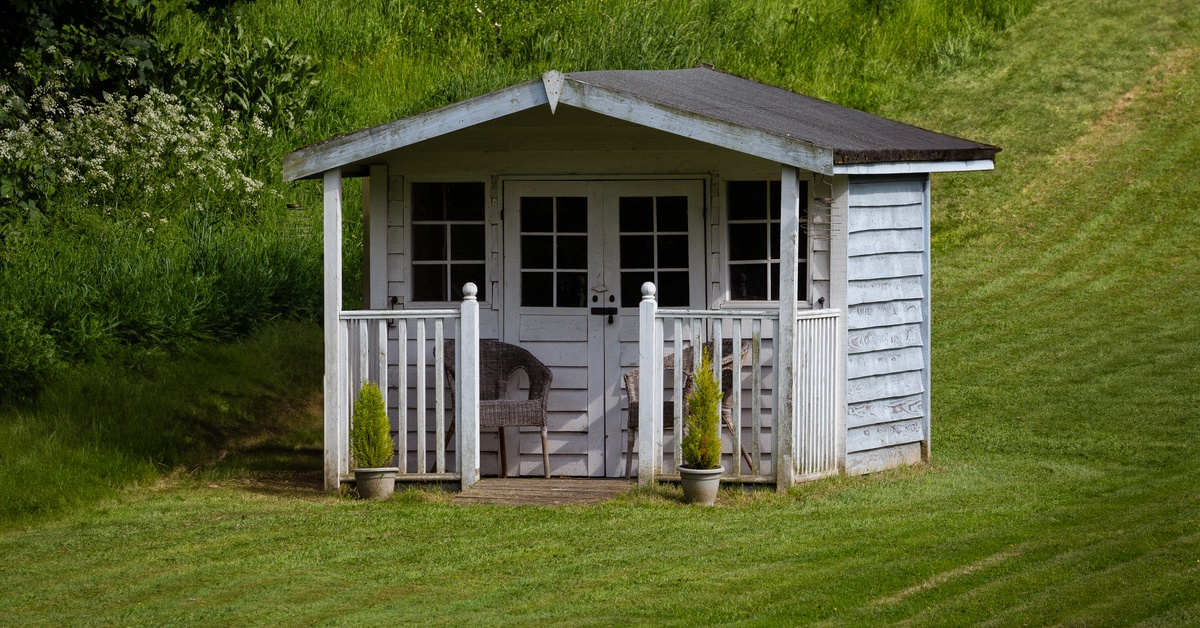
Lawn equipment takes up considerable room, particularly when homeowners store everything inside their garages. A garden shed moves that equipment into a separate structure intended for outdoor maintenance.
A lawn mower, for example, occupies floor space that homeowners would otherwise use for parking. Keeping it inside a shed frees up that room without leaving the mower exposed to rain.
Buyers who maintain their own yards may appreciate having dedicated storage already available. A shed with a wide doorway and enough interior space for larger equipment offers convenience throughout the landscaping season.
Greenhouses
Cold temperatures limit how early gardeners can begin planting outdoors. A greenhouse extends the growing season by creating a warmer environment where plants can develop before outdoor conditions become suitable.
Gardeners who grow tomatoes, for example, can begin raising seedlings inside the greenhouse while temperatures outside remain too low. Once the weather warms, those plants can move into the garden.
For buyers interested in cultivating their own produce, an established greenhouse provides an opportunity to extend their gardening activities. The structure’s appeal comes from allowing homeowners to grow plants beyond the normal outdoor season.
Guesthouses
Extended family visits become complicated when everyone must share the same living space. A detached guesthouse allows visitors to remain nearby without occupying bedrooms inside the main residence.
Guests can maintain their normal routines without disturbing the rest of the household. Someone visiting for several weeks, for instance, has somewhere private to retreat at the end of the day.
This arrangement may appeal to buyers who regularly accommodate relatives. A permitted guesthouse provides additional residential accommodations while preserving the bedrooms inside the primary home for everyday household use.
Barndominiums
A barndominium is a pole barn that’s been converted into a residential living space or constructed specifically for residential use. A barndominium can serve several purposes, including accommodating extended family members. You can even consider turning a barndominium into an Airbnb investment property if you’re interested in earning rental income.
Because the structure sits separately from the main residence, short-term guests can come and go without entering your home. This arrangement allows homeowners to maintain privacy while operating a rental property.
Where local regulations permit short-term rentals, that earning potential may appeal to buyers interested in generating income from their property.
Home Offices
Working remotely becomes difficult when household activities interrupt your concentration. A detached home office creates physical separation between your professional responsibilities and everyday activities inside the house.
For someone who regularly attends video meetings, this separation reduces interruptions from other household members. Having a dedicated workspace also eliminates the need to occupy a bedroom with office furniture.
Buyers who work remotely may appreciate an existing outdoor office because they won’t need to reorganize their home’s interior to accommodate their professional responsibilities. The separate structure allows them to preserve their bedrooms for residential use.
Storage Barns
Large agricultural equipment doesn’t fit inside most residential garages. A storage barn accommodates machinery that requires greater interior height and wider access than conventional garages provide.
For example, a tractor may require a tall entrance and sufficient maneuvering room to move safely inside. A barn constructed around those dimensions allows the owner to store the equipment under a roof rather than leaving it exposed outdoors.
On rural properties, buyers who own similar machinery may appreciate having an existing storage barn. It eliminates the need to construct a separate building before they can properly store their equipment.
Pool Houses
Walking through the house in wet swimwear isn’t particularly convenient, particularly when several guests are using the pool. A pool house provides a nearby changing area so swimmers don’t have to enter the main residence.
After swimming, visitors can change into dry clothing before returning indoors. This reduces the amount of pool water tracked across interior flooring during gatherings.
Properties with established swimming pools may benefit from this addition because it improves how homeowners use the outdoor area. Buyers who entertain guests around the pool may appreciate having a separate changing space already available.
Carports
Not every property has enough room or budget for a traditional enclosed garage. A carport offers an alternative by installing a permanent roof above a parking area while leaving the sides open.
In warmer climates, this overhead coverage reduces the amount of direct sunlight reaching parked vehicles. As a result, the vehicle’s interior doesn’t absorb as much heat as it would when parked in an uncovered driveway.
For buyers accustomed to parking outdoors, a carport introduces a convenient improvement without requiring an enclosed structure. Although its contribution to resale value is generally lower than that of a garage, it offers protection from direct sunlight.
Choose an Outbuilding That Complements Your Property
With so many outbuildings that can add property value, the best choice depends on what your property currently lacks. Consider how much available land you have and whether the addition serves a purpose that future buyers will appreciate.
Before construction begins, review local zoning requirements and building permit regulations. Some structures require additional approval when they’re intended for residential occupancy.
Remember that construction costs don’t automatically translate into an equal increase in resale value. The most successful additions provide everyday function while complementing the existing property. With thoughtful planning, your new outbuilding can become an asset you’ll enjoy long before it’s time to sell.