A beautiful backyard should feel like a natural extension of the home. Comfortable seating and attractive finishes create the foundation, but greenery brings warmth, movement, and personality to the setting.
Whether you have a spacious garden terrace or a compact urban balcony, thoughtful planting choices can transform how the area looks and feels. Keep reading for our tips on how to add greenery to your outdoor living space.
Start With a Thoughtful Planting Plan
Before purchasing plants, consider the atmosphere you want to create. A contemporary patio might benefit from sculptural foliage and restrained arrangements, while a Mediterranean-inspired courtyard may look more inviting with aromatic herbs and flowering climbers.
Study the surrounding architecture and existing landscaping. Your greenery should create a visual connection between the outdoor area and the rest of the property.
Consider Your Local Climate
Climate plays an essential role in plant selection. A lush tropical arrangement may look stunning in photographs, but it won’t necessarily thrive in a cooler location.
Research the sunlight, temperature, and watering requirements of any plants you plan to introduce. Consider how wind exposure and seasonal temperature changes might affect their growth.
Use Statement Planters to Create Visual Interest
Large planters can function as architectural features and are one of the best ways to add color to your outdoor living space. They establish focal points and introduce greenery without requiring changes to existing paving or landscaping.
Matte ceramic planters suit contemporary settings, while natural stone containers offer timeless character. Weathered terracotta can bring warmth to traditional patios and Mediterranean-inspired terraces.
Experiment With Height and Scale
Instead of positioning identical containers in a straight line, introduce subtle variations in height.
A tall planter containing an olive tree might anchor one corner of a terrace. Nearby, a lower container filled with trailing foliage can soften the composition.
Pay attention to proportion. Oversized containers can overwhelm a narrow balcony, while small pots may disappear visually across an expansive terrace.
Create a Living Privacy Screen
Greenery offers an attractive alternative to conventional privacy fencing. Carefully positioned plants can define boundaries without making an outdoor area feel enclosed.
For properties with neighboring homes nearby, tall ornamental grasses or evergreen shrubs can provide a sense of separation. Bamboo can also create a distinctive architectural appearance, although certain varieties spread aggressively.
Use Trellises for Additional Coverage
A decorative trellis provides support for climbing plants while introducing vertical interest.
Star jasmine, climbing roses, and certain varieties of clematis can create appealing displays when grown in suitable conditions. Their flowering periods and maintenance needs vary, so select species that match your climate and available growing space.
Incorporate Greenery Into Your Seating Arrangement
Plants have the greatest visual impact when they connect to how people use the space. A good tip for adding greenery to your outdoor living space is to bring it closer to seating and gathering areas instead of restricting it to the edges of a patio.
Position substantial planters beside lounge chairs or at the ends of an outdoor sofa. Smaller arrangements can decorate side tables without interfering with conversation.
Introduce Vertical Gardens in Smaller Spaces
Limited floor space doesn’t have to restrict your planting possibilities.
Vertical gardens allow you to introduce greenery along walls, fences, and other upright surfaces. They work particularly well on balconies and compact patios where every square foot matters.
Wall-mounted planters can support compact ferns, trailing vines, and small flowering plants. Modular planting systems provide another option for homeowners seeking a more structured display.
Choose a Design That Matches Your Space
A contemporary balcony may benefit from a neat arrangement of matching planters. A rustic courtyard might look more appealing with climbing greenery across a wooden framework.
Before installing a vertical garden, consider irrigation and drainage. Water can damage exterior surfaces when planting systems lack adequate protection.
Layer Different Foliage Textures
An attractive outdoor retreat doesn’t depend entirely on flowers. Foliage alone can deliver considerable visual interest. The secret lies in combining plants with different leaf shapes, sizes, and growth habits.
Broad leaves can establish a lush backdrop, while fine-textured plants introduce contrast. Trailing greenery adds movement and softens the rigid outlines of containers.
Create Depth Without Overcrowding
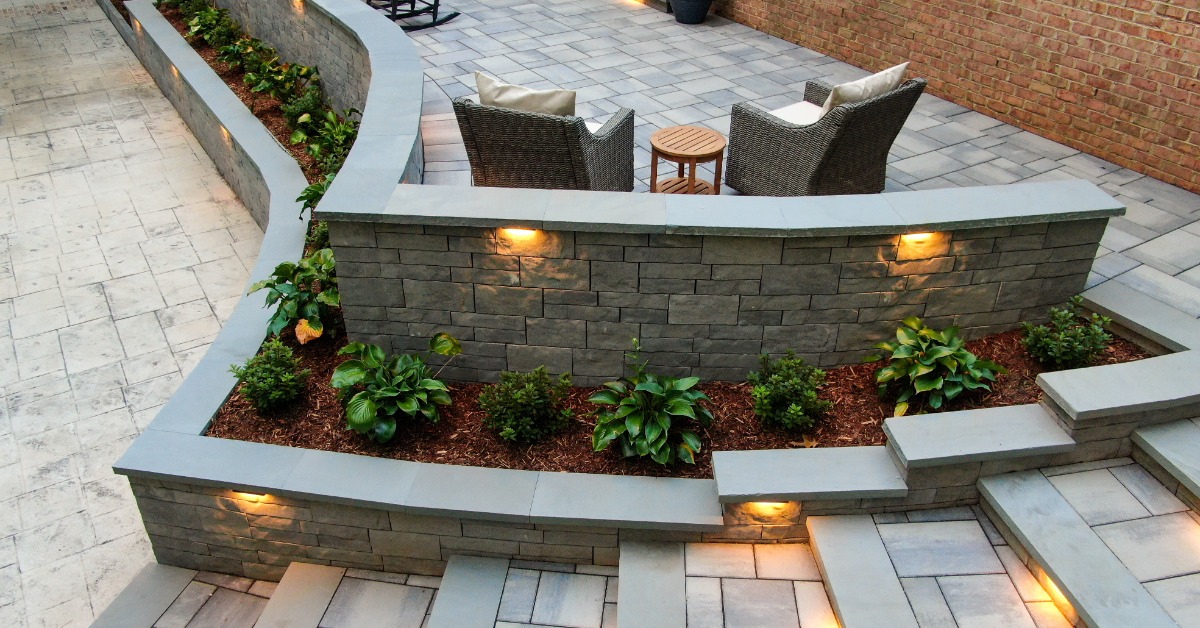
Arrange taller plants toward the back of a planting area and position smaller varieties closer to the foreground.
Use repetition to create continuity. Reintroducing the same foliage variety in several locations helps connect separate planting arrangements.
Avoid filling every available corner. Leaving some open space allows individual plants to stand out and gives the entire design a more relaxed appearance.
Add an Edible Garden for Everyday Enjoyment
An outdoor living area can combine beauty with practical value. Herbs and compact edible plants introduce fragrance, seasonal interest, and fresh ingredients for cooking.
Rosemary, thyme, mint, and basil can grow successfully in containers when you meet their individual requirements.
Position Herbs Near Outdoor Dining Areas
Placing an herb garden near an outdoor kitchen or dining table creates a convenient connection between planting and entertaining.
A selection of aromatic herbs in understated containers can look as attractive as ornamental foliage.
For additional character, consider compact citrus trees in climates where they can thrive.
Use Greenery to Define Separate Outdoor Zones
Larger patios and gardens can benefit from distinct areas for dining, relaxing, and entertaining. Instead of dividing these spaces with permanent barriers, use plant arrangements to establish subtle boundaries.
A row of substantial containers can distinguish a dining terrace from an adjacent lounge. Low shrubs may outline a pathway without obstructing views.
Introduce Seasonal Interest
A beautiful outdoor environment changes with the seasons.
Rather than expecting every plant to remain in peak condition throughout the year, combine varieties with different periods of interest.
Evergreen shrubs can provide a dependable backdrop. Flowering plants add temporary bursts of color, while ornamental grasses offer texture as the seasons change.
Refresh Containers Throughout the Year
Container gardening makes seasonal updates relatively simple.
In spring, introduce suitable flowering bulbs or early-season perennials. During warmer months, colorful annuals can brighten terraces and balconies.
Autumn arrangements may feature ornamental grasses or plants with rich foliage tones.
In regions with cold winters, hardy evergreens can maintain structure when more delicate plants become dormant.
Make Maintenance Part of the Design
An impressive garden should remain enjoyable long after its initial installation.
Consider how much time you realistically want to spend watering, pruning, and replacing plants. Grouping plants with similar watering requirements simplifies ongoing care and reduces the risk of overwatering sensitive species.
Create an Outdoor Retreat That Feels Naturally Luxurious
The most inviting outdoor spaces balance thoughtful design with the natural character of their surroundings. Greenery adds softness to architectural features, creates privacy, and brings outdoor furnishings into a more harmonious setting.
You don’t need to transform every corner at once. Begin with a few carefully selected plants and observe how they influence the atmosphere.
Successful outdoor living space greenery depends less on the number of plants than on their placement and suitability. With considered choices and consistent care, a patio, terrace, or garden can become an extension of the home that feels welcoming throughout the seasons.