A beautifully designed home tells a story without saying a word. Every room contributes to the atmosphere, creating an experience that feels intentional, not accidental. Whether your style leans toward understated luxury or bold contemporary design, the secret to a sophisticated home lies in how effortlessly its spaces connect.
Creating a cohesive look throughout your home doesn’t mean every room needs identical furniture or matching decorations. In fact, the most memorable interiors balance consistency with individuality. With thoughtful design choices, you can create a home that reflects your personality while maintaining a harmonious atmosphere from the entrance to the upstairs retreat.
Establish a Clear Interior Design Direction
Before purchasing furniture or choosing paint colors, determine the overall aesthetic you want your home to communicate. Some homeowners gravitate toward contemporary minimalism, while others prefer traditional elegance or eclectic luxury. Identifying your preferred direction creates a foundation for future decorating decisions and prevents competing styles from overwhelming your interiors.
Consider how you want each space to make you feel throughout the day. A peaceful bedroom might encourage relaxation, while an energetic living room could inspire conversation. These different moods can coexist when they share recognizable design elements. Focus on the atmosphere you want rather than chasing every emerging interior design trend.
Develop a Consistent Color Palette
Color plays an enormous role in connecting separate rooms throughout a home. A consistent palette creates visual continuity even when individual spaces feature different furniture styles.
Choose a primary color that complements your architecture and personal preferences. Then introduce supporting shades that add depth without disrupting the overall aesthetic.
Neutral foundations offer tremendous flexibility for homeowners who enjoy updating their décor. However, cohesive design doesn’t require avoiding bold colors. A deep emerald accent in one room can complement subtle green accessories elsewhere, creating an elegant visual relationship.
Connect Your Rooms Through Flooring
Flooring influences how smoothly one room transitions into another. Consistent flooring materials can make connected spaces appear larger and more harmonious. Hardwood offers timeless appeal, while luxury vinyl and laminate provide attractive alternatives for different household needs. Consider how each material complements your existing architectural features before making a final selection.
Understanding where laminate flooring works best in your home can help you create continuity without compromising practicality. Laminate often suits living areas and bedrooms, although product specifications determine its suitability for moisture-prone spaces.
Repeat Materials and Textures With Intention
Materials create subtle connections that extend beyond color coordination. Repeating similar wood finishes or metallic accents throughout your home establishes a recognizable design language.
For example, brushed brass cabinet hardware can complement lighting fixtures in another room. These small connections encourage visual harmony without making every space feel overly coordinated.
Texture introduces another layer of sophistication that keeps cohesive interiors interesting. Soft upholstery can balance sleek stone surfaces, while natural wood adds warmth to contemporary surroundings. Avoid relying exclusively on smooth finishes, which can make a home feel impersonal.
Choose Furniture That Complements Each Space
Furniture selection requires more than finding pieces that look attractive on their own. Consider how each item’s proportions relate to the room and surrounding furnishings. Oversized sofas can overwhelm smaller living areas, while delicate furniture might disappear inside spacious interiors.
You can also establish continuity through furniture silhouettes rather than purchasing matching collections. Curved chairs might echo the rounded edges of a dining table in another room.
Similarly, clean architectural lines can connect contemporary furnishings throughout the property. This approach creates sophistication while allowing each space to maintain its own personality.
Create Consistency With Thoughtful Lighting
Lighting dramatically influences how people experience interior spaces. Different light temperatures can make adjoining rooms feel disconnected, even when their furnishings share similar colors.
Choose compatible bulb temperatures throughout your home to maintain a consistent atmosphere. Warm lighting often complements luxurious residential interiors by creating a comfortable, inviting glow.
Decorative fixtures also provide opportunities to reinforce your overall design direction. A sculptural chandelier can introduce an artistic element that smaller lamps subtly reference elsewhere. Consider how natural light changes throughout the day when choosing window treatments.
Use Artwork and Décor to Connect Different Rooms
Artwork allows homeowners to express individuality without compromising a cohesive aesthetic. Rather than selecting identical prints, look for pieces that share complementary colors or artistic themes.
Abstract paintings might connect with contemporary photography through similar tones. This subtle relationship creates an engaging visual experience as visitors move between different rooms.
Decorative accessories also influence the personality of your interiors. However, excessive ornamentation can distract from architectural details and carefully chosen furnishings. A distinctive sculpture or treasured antique often makes a stronger impression than an overcrowded collection of decorations.
Maintain Cohesion Through Finishing Details
Small design decisions often determine whether a home feels polished or visually fragmented. Door hardware, decorative trim, and window treatments deserve the same consideration as larger furnishings. These details establish continuity without requiring major renovations. Paying attention to their finishes can make even modest interiors feel more refined.
When evaluating your home’s finishing touches, consider these practical ways to strengthen its overall appearance:
Coordinate hardware finishes: Choose complementary metals for handles and fixtures.
Maintain consistent trim colors: Create smooth visual transitions between adjoining rooms.
Repeat accent colors: Introduce familiar shades through cushions or decorative objects.
Choose complementary window treatments: Maintain a consistent aesthetic while accommodating different lighting needs.
Limit competing patterns: Allow statement designs to stand out against quieter surroundings.
These adjustments can transform your home’s atmosphere without extensive remodeling. Start with areas where inconsistent finishes create noticeable visual interruptions. Gradually introduce complementary details as your decorating plans evolve.
Allow Every Room to Express Its Own Personality
A cohesive home should never feel like a furniture showroom where every room follows an identical formula. Personal touches make interiors memorable and prevent sophisticated design from becoming predictable.
A colorful reading nook or unexpected vintage furnishing can introduce personality without disrupting the larger aesthetic. The surrounding colors and materials simply need to support that individuality.
Consider how different rooms serve your lifestyle before deciding which decorative elements deserve attention. A wellness-inspired bathroom might feature calming natural textures, while a home office could showcase expressive artwork.
These choices support different activities while preserving visual harmony. Successful interior design celebrates individual experiences within a consistent architectural environment.
Create a Home That Feels Beautifully Connected
Learning how to create a cohesive look throughout your home involves balancing consistency with creative expression. Thoughtful color choices and complementary materials establish connections that make separate spaces feel naturally related. Instead of concentrating exclusively on current trends, prioritize design decisions that reflect your lifestyle and long-term preferences.
Remember that creating a sophisticated interior takes time. You don’t need to replace every piece of furniture or renovate multiple rooms at once to achieve meaningful improvements. Begin with the spaces that feel most disconnected and gradually introduce elements that strengthen their relationship. The result will be a luxurious, welcoming home that feels beautifully connected while remaining uniquely yours.

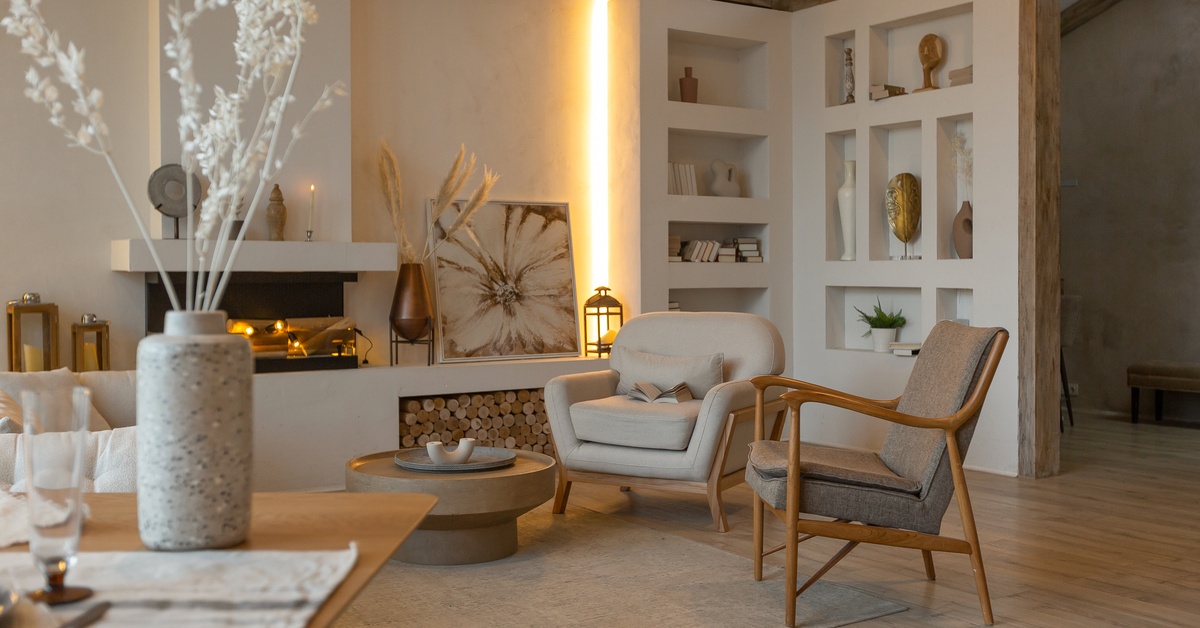 A beautifully designed home tells a story without saying a word. Every room contributes to the atmosphere, creating an experience that feels intentional, not accidental. Whether your style leans toward understated luxury or bold contemporary design, the secret to a sophisticated home lies in how effortlessly its spaces connect.