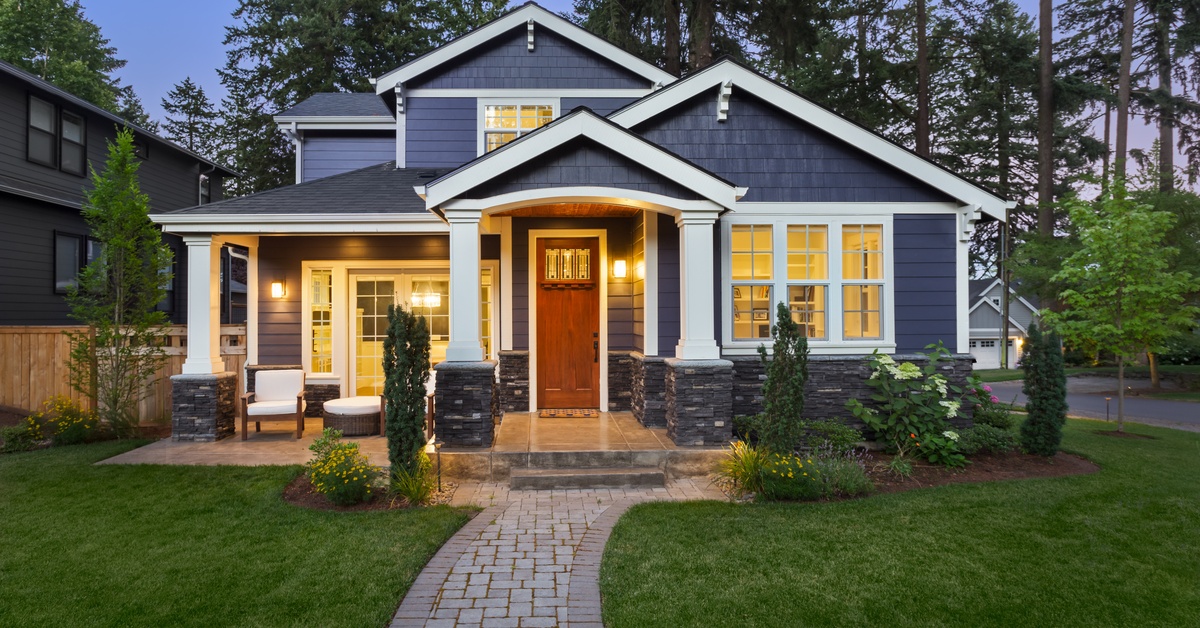
Your home’s exterior creates the first impression long before anyone steps inside. Regardless of how expensive your home is, a cohesive look boosts curb appeal, strengthens property value, and reflects your personal style.
Many homeowners mix materials and colors without a clear plan, resulting in a scattered appearance. You can avoid that confusion by following these focused steps to create a cohesive look for your home’s exterior.
Step 1: Define Your Overall Style
Start by choosing a clear design direction for your exterior. Decide which architecture you prefer: modern, farmhouse, craftsman, coastal, or traditional. Study homes with aesthetics similar to what you want, or browse inspiration photos to identify patterns you love. Once you commit to one style, let that choice guide every material, color, and fixture you select.
A modern home benefits from clean lines and minimal trim details. A farmhouse design pairs well with board-and-batten siding and contrasting shutters. Craftsman homes often highlight natural wood tones and textured stone accents. When you define your style early, you eliminate guesswork later in the process.
Step 2: Choose a Coordinated Color Palette
Color creates unity faster than any other design element. Limit your exterior palette to three main colors to maintain balance. Select one dominant color for siding, one secondary color for trim, and one accent color for doors or shutters. This structure keeps your exterior from feeling chaotic.
When working with mixed materials, research the best colors to match shake siding and stone so the textures complement each other rather than compete. Earthy neutrals, warm grays, soft taupes, and muted greens often blend beautifully with natural stone. Test paint samples in different lighting conditions before making a final decision. Natural light shifts throughout the day, and you want every tone to look intentional.
Step 3: Balance Materials and Textures
Exterior design thrives on thoughtful contrast. Combine materials like brick, stone, wood, and siding in a way that feels balanced rather than overwhelming. Place heavier materials, such as stone, along the lower portion of the home to visually ground the structure. Use lighter siding materials above to create a natural transition.
Keep texture changes purposeful and limited. Too many materials create visual clutter and distract from architectural features. Choose one or two complementary textures instead of layering several unrelated finishes. This restraint keeps the home looking polished and cohesive.
Step 4: Enhance Landscaping and Lighting
Landscaping frames your home and completes the cohesive look. Choose plants that complement your home’s color palette and architectural style. Symmetrical plantings create structure, while layered greenery adds depth and softness.
Outdoor lighting adds both function and visual warmth. Install pathway lights, accent lighting for architectural features, and porch lighting that matches your chosen finish. Warm lighting tones create a welcoming atmosphere in the evening. When landscaping and lighting support your exterior design, your home stands out for all the right reasons.
Find the Best Look for Your Home
Creating a cohesive exterior for your home requires intention, planning, and attention to detail. Each step builds on the next to produce a polished, harmonious result. With a clear strategy, you can transform your home into a space that feels confident, welcoming, and visually connected.