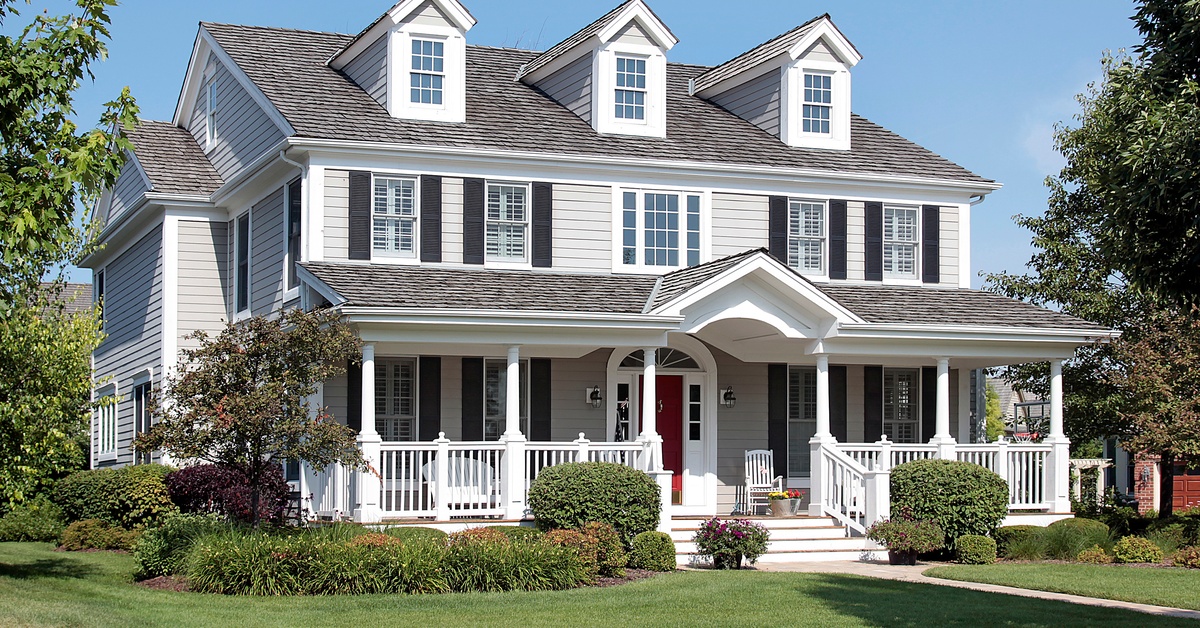
First impressions form before anyone steps through your doorway. Your home’s curb appeal gives visitors a warm welcome. It can also strengthen how buyers perceive your property. Fortunately, improving that impression does not always require a major renovation. Thoughtful maintenance and a few focused upgrades can transform the view from the street while respecting your budget. These proven ways to improve your home’s curb appeal will help you identify weaknesses and highlight your home’s character. The changes create an exterior that feels polished rather than overly staged.
Begin With a Clear, Critical View
Walk across the street and study your property as if you were seeing it for the first time. Look for peeling paint, crooked fixtures, overgrown plants, and clutter that may have faded into the background of daily life.
Use this review to prioritize work according to visibility and condition. Repair damaged elements before purchasing decorative accents. Addressing the most noticeable problems first creates a solid foundation and prevents cosmetic spending from drawing attention to neglected areas.
Refresh Exterior Surfaces
Dirt and weathering can dull even a well-designed home. Wash siding according to the manufacturer’s recommendations and clean exterior windows. Remove buildup from walkways. Treat mildew carefully so it does not return beneath a fresh coat of paint. Clean gutters also sharpen the roofline and show that routine maintenance matters.
When paint has faded or begun to crack, focus on the surfaces that frame the home. Repainting trim can deliver a crisp result without the expense of coating the entire exterior. Choose a color that complements the roof and permanent masonry instead of following a short-lived trend. If shutters look warped or undersized, repair or replace them so they appear appropriate for each window. Consistent finishes make separate architectural elements feel intentional.
Make the Front Door a Focal Point
The entrance should naturally attract attention from the sidewalk. When choosing between different front door styles, consider the architecture of the house and the amount of natural light needed indoors. A sleek door may suit a contemporary facade, while a paneled design can reinforce traditional character. Color can add personality, but it should still relate to nearby trim and materials.
Update worn hardware with a finish that coordinates with visible lighting. Replace a tired doormat and confirm that the doorbell works properly. If space allows, place matching planters near the entrance without narrowing the path. Keep decorations restrained so guests can approach easily and the door remains the central feature.
Shape Landscaping for Structure
Healthy landscaping frames a house, yet uncontrolled growth can hide its best features. Trim shrubs below windows and keep branches away from the roof. Remove dead growth promptly. Define garden beds with smooth edges, then refresh mulch to create contrast and retain moisture. Select a mulch color that supports the exterior palette rather than competing with it.
Choose plants that fit the available sunlight and their mature space. This prevents constant pruning and reduces the chance that roots or branches will crowd the building. Repeat a few plant varieties across the frontage to create rhythm. Maintain open sightlines to the entrance so the landscape guides attention instead of blocking it.
Improve Paths and Driveways
Cracked paving and uneven steps can undermine an otherwise attractive exterior. Repair small defects before water expands them. Pressure washing may revive concrete and masonry, although the correct pressure protects softer materials from damage. Remove weeds from joints and restore missing filler where appropriate.
A path should offer a clear route from the sidewalk or driveway to the front door. If guests tend to cut across the lawn, the current route may feel inconvenient. Extend or reshape it when practical. Along an existing path, low edging can create a finished boundary without becoming a tripping hazard. Keep stored belongings out of sight whenever possible because open circulation makes the frontage appear larger.
Use Lighting With Purpose
Exterior lighting improves nighttime appeal while supporting safer movement. Replace damaged fixtures and clean cloudy glass so each light performs as intended. Select fixtures that match the scale of the doorway; undersized sconces often look like an afterthought. Use warm, consistent bulbs to prevent the facade from appearing harsh or mismatched.
Illuminate steps and changes in elevation first. Add subtle light near the house number so visitors can find the address after dark. Landscape lighting works best when it reveals texture or a notable tree instead of flooding every surface. Aim fixtures carefully to keep glare away from windows and neighboring properties.
Refine the Small Details
Minor exterior elements carry surprising visual weight because visitors see them at eye level. Replace faded house numbers with characters that remain legible from the street. Straighten the mailbox and repair its finish if it looks weathered. Conceal utility items only when coverings preserve safe access and ventilation. Store tools after use so practical objects do not become permanent visual clutter.
Check that visible finishes relate to one another. Door hardware does not need to match every metal exactly, but repeated tones create cohesion. Window boxes should suit the width of the windows and include healthy plants. Porch furniture must fit comfortably within the available area. Leave enough room for people to move naturally, since an overcrowded porch feels smaller and less inviting.
Maintain the Results Through Every Season
Curb appeal depends on regular attention more than occasional spending. Sweep paths and remove cobwebs regularly. Check plants for stress. After storms, inspect gutters and gather fallen branches before they stain or damage surfaces. Touch up small paint chips early to limit moisture intrusion and keep repairs manageable. That habit preserves curb appeal year-round.
Adapt the entrance as seasons change, but avoid disposable decor that quickly looks tired. A durable wreath or a pair of well-kept containers can acknowledge the season without overwhelming the architecture. During colder months, keep routes clear and ensure lighting turns on before guests arrive. In warmer weather, water containers consistently and remove spent blooms. Steady care protects earlier improvements and keeps the exterior ready for unexpected visitors.
Create an Exterior That Feels Complete
The strongest curb appeal reflects consistent care and choices that suit the property. Start with repairs, then direct your budget toward updates that improve the entrance and reinforce the home’s existing character. Review the exterior from the street after each change so you can stop before the design feels busy. With these proven ways to improve your home’s curb appeal, you can create a welcoming first impression that lasts beyond a quick cosmetic refresh and continues to reward consistent maintenance.

 First impressions form before anyone steps through your doorway. Your home’s curb appeal gives visitors a warm welcome. It can also strengthen how buyers perceive your property. Fortunately, improving that impression does not always require a major renovation. Thoughtful maintenance and a few focused upgrades can transform the view from the street while respecting your budget. These proven ways to improve your home’s curb appeal will help you identify weaknesses and highlight your home’s character. The changes create an exterior that feels polished rather than overly staged.