by Roberta Murphy Thompson
 In the ever-evolving world of regenerative aesthetics, few innovations capture the imagination quite like exosomes.
As we enter 2026, this breakthrough in cellular communication is redefining how we approach anti-aging and skin renewal. For the discerning reader of LuxuryHomeDigest.com—where timeless elegance meets modern wellness—exosomes represent the ultimate fusion of science and sophistication: a natural, powerful way to restore youthful radiance without invasive procedures.
What Are Exosomes?
Exosomes are tiny, nano-sized vesicles (typically 30–150 nanometers) released by cells as part of their natural communication system. Think of them as sophisticated “messenger packets” loaded with bioactive cargo: proteins, lipids, growth factors, microRNAs, and other signaling molecules. They are secreted by various cell types, including stem cells (such as mesenchymal stem cells from adipose tissue or bone marrow), fibroblasts, and even plant-derived sources in some topical formulations.Unlike whole cells used in traditional stem cell therapies, exosomes are acellular—meaning they carry the regenerative instructions without the cells themselves. This makes them highly stable, non-immunogenic (low risk of rejection), and versatile for targeted delivery to the skin.In aesthetic medicine, exosomes are often sourced from mesenchymal stem cells (MSC-exosomes) or ethically derived alternatives, purified, and applied topically, via microneedling, or injected for deeper rejuvenation.
How Do Exosomes Work for Skin Rejuvenation?
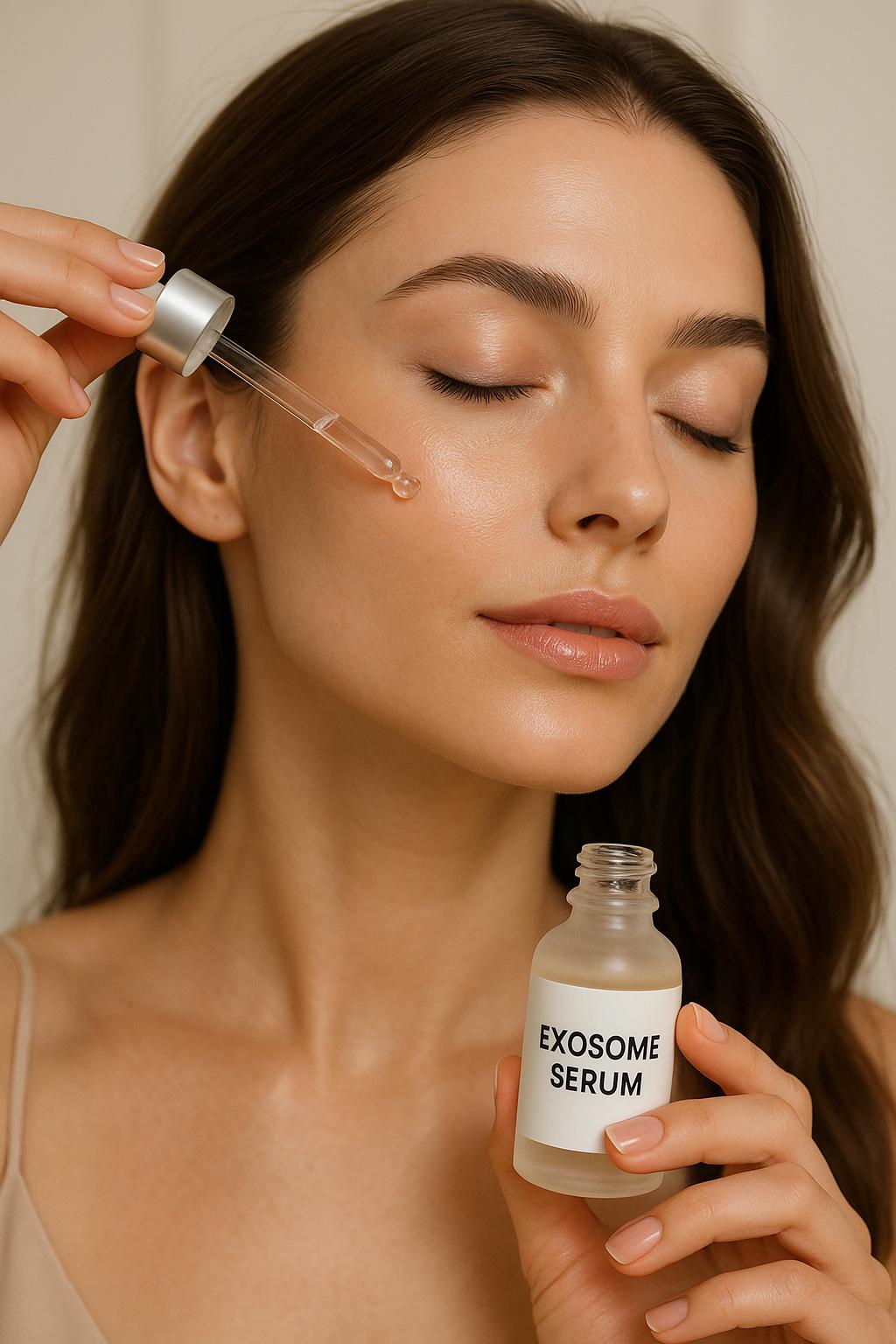
Exosomes function as master regulators of cellular behavior. When introduced to the skin—whether through professional treatments or advanced serums—they are taken up by target cells like keratinocytes, fibroblasts, and endothelial cells. Once inside, their cargo activates key pathways:
- Stimulating Collagen and Elastin Production: Exosomes upregulate fibroblast activity, boosting synthesis of collagen types I and III while enhancing elastin for firmer, more resilient skin.
- Promoting Cellular Repair and Regeneration: They reduce senescent (aging) cells, accelerate wound healing, and improve angiogenesis (new blood vessel formation) for better nutrient delivery and glow.
- Modulating Inflammation: By delivering anti-inflammatory signals, exosomes calm chronic low-grade inflammation that accelerates visible aging.
- Enhancing Barrier Function and Hydration: They support epidermal renewal, strengthen the skin barrier, and improve moisture retention for a plumper, dewier
 complexion.
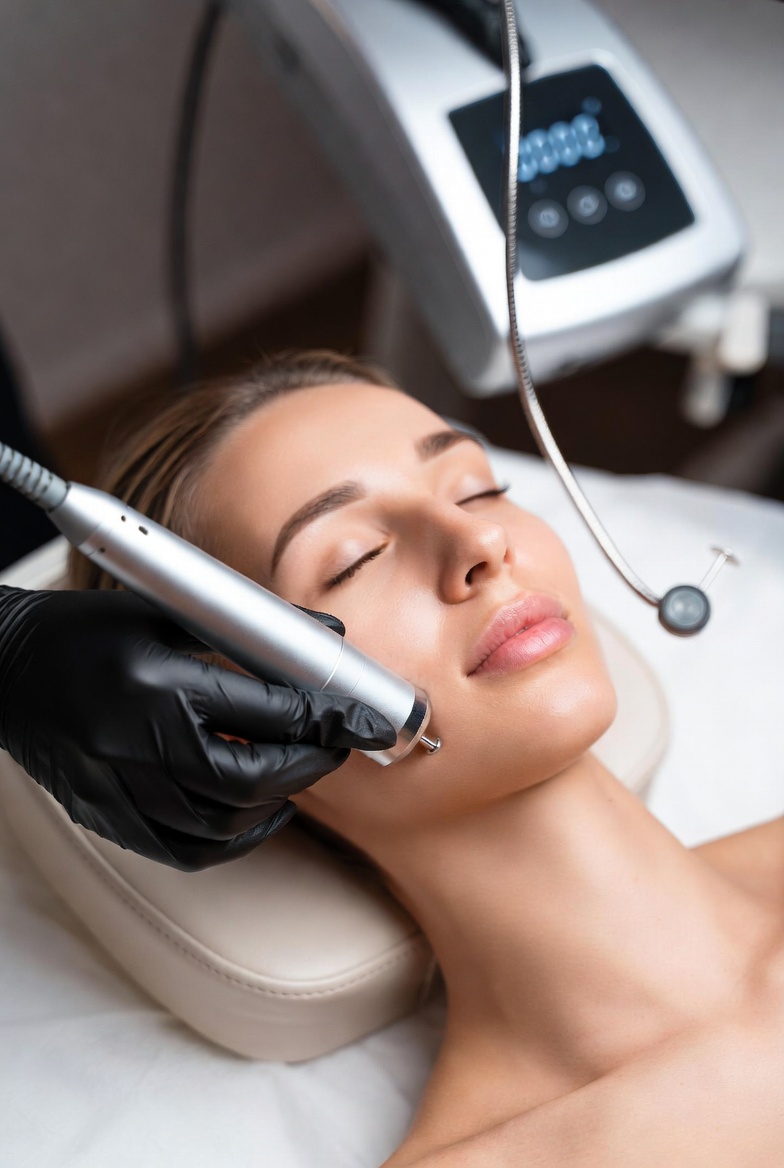
In practice, exosomes are often combined with microneedling, laser treatments, or radiofrequency to enhance penetration and amplify results. The process is minimally invasive: a session might involve drawing a small blood sample (for autologous options), processing to isolate exosomes, or using high-quality off-the-shelf formulations applied during a facial.Results build gradually—visible improvements in texture, tone, and firmness often appear within weeks, with peak benefits over 3–6 months as the skin’s natural repair mechanisms are sustained.Key Benefits for Skin RejuvenationExosomes offer a host of luxurious, science-backed advantages, particularly appealing for mature or sun-damaged skin:
- Reduction in Fine Lines and Wrinkles: By reactivating collagen production, they smooth lines and improve skin elasticity for a more youthful contour.
- Improved Texture and Tone: Exosomes even out pigmentation, minimize pores, and restore radiance, addressing dullness and unevenness.
- Enhanced Firmness and Thickness: Increased dermal density leads to thicker, plumper skin that resists sagging.
- Faster Healing and Reduced Downtime: When paired with procedures, exosomes accelerate recovery, minimize redness, and enhance overall outcomes.
- Natural, Long-Lasting Results: As they stimulate the body’s own regeneration, benefits feel authentic and can last longer than traditional fillers or topicals alone.
- Versatile Applications: Beyond the face, exosomes support neck, décolletage, hands, and even scalp health for hair rejuvenation.
Clinical insights from 2025–2026 highlight impressive outcomes: reductions in photodamage markers, up to 40% fewer senescent cells in some studies, and significant improvements in hydration, elasticity, and overall skin quality. As a regenerative powerhouse, exosomes align perfectly with the trend toward subtle, natural enhancement