Bringing a beautiful piece of artwork into your home can feel incredibly rewarding. Whether you’ve purchased your first original painting or have spent years collecting remarkable pieces, each work adds personality to your living space. However, maintaining that beauty requires more than finding the perfect spot on your wall.
Sunlight and humidity can quietly damage fine art, sometimes before you notice anything unusual. Fading colors and changing environmental conditions can gradually affect delicate materials, reducing an artwork’s appearance and potentially its value. Fortunately, thoughtful display choices and consistent care can help you protect your collection while continuing to enjoy it. Here’s how to protect fine art from sunlight and humidity.
Understand the Risks of Sunlight
Natural light can make a room feel inviting, but prolonged exposure can damage valuable artwork. Ultraviolet radiation and visible light can gradually alter pigments, especially in pieces that contain sensitive dyes or organic materials.
Some paintings develop noticeable fading, while works on paper may experience discoloration or weakening. Unfortunately, you generally can’t reverse light damage once it occurs. Limiting unnecessary exposure helps preserve an artwork’s original appearance for years.
Choose Display Locations Carefully
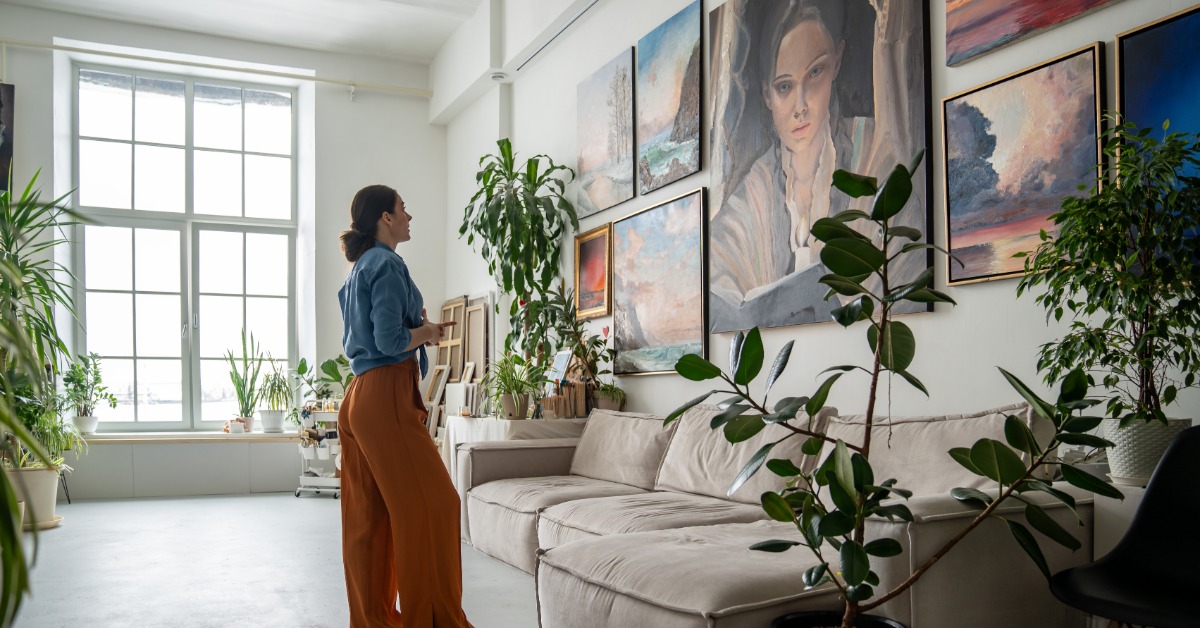
Where you hang artwork can influence how much sunlight reaches its surface. A beautiful painting directly across from a large window might receive more light than you realize, particularly during certain seasons.
Walk through your home at different times of day to observe how sunlight moves across the walls. Choose locations that avoid direct sunlight year-round. Interior walls often offer attractive display opportunities with fewer concerns about intense natural light.
Consider UV-Filtering Protection
Protective glazing can help reduce ultraviolet exposure for certain types of artwork. Professional framers often recommend UV-filtering glass or acrylic for photographs and delicate works on paper.
However, these materials don’t eliminate every risk associated with light exposure. Visible light can still contribute to fading, even when protective glazing blocks most ultraviolet radiation. Combine appropriate framing with thoughtful placement to provide more comprehensive protection.
Pay Attention to Artificial Lighting
Sunlight isn’t the only source of light that can affect your artwork. Bright display lights can contribute to gradual fading, particularly when they illuminate delicate pieces for extended periods.
Consider using dimmable LED lighting that produces minimal ultraviolet radiation and excessive heat. Position fixtures to provide comfortable viewing without directing intense light toward sensitive surfaces. Turning off unnecessary display lights also reduces cumulative exposure.
Monitor Indoor Humidity
Humidity influences how many traditional art materials respond to their surroundings. Canvas and wooden supports can expand or contract as moisture levels change, potentially creating stress within an artwork.
For many paintings, maintaining relatively stable indoor humidity between approximately 40 and 60 percent offers a reasonable starting point. Individual artworks may require different conditions depending on their materials and conservation history. Avoid sudden changes that force delicate components to adjust repeatedly.
Invest in a Hygrometer
You don’t need expensive monitoring equipment to understand your home’s humidity conditions. A digital hygrometer can provide useful measurements and help you identify seasonal changes.
Place the device near your collection rather than relying entirely on your household thermostat. Check readings regularly, especially when weather conditions change dramatically. Recording those measurements can help you recognize patterns before environmental fluctuations become persistent problems.
Control Excess Moisture
High humidity can encourage mold growth and create problems for moisture-sensitive artwork. Persistent dampness may also affect wooden frames or contribute to deterioration in certain materials.
Consider using a dehumidifier when indoor humidity consistently exceeds appropriate levels. Address plumbing leaks or condensation issues before they affect nearby artwork. Avoid placing valuable pieces in bathrooms or other areas where moisture levels frequently rise.
Watch for Dry Conditions
Excessively dry air can also create challenges for fine art preservation. Wooden panels may shrink as they lose moisture, while some painted surfaces can develop additional stress.
Heating systems sometimes lower indoor relative humidity during colder months. Monitor seasonal changes and consider appropriate humidity control when your home’s conditions become excessively dry. Avoid directing humidifier mist toward artwork because concentrated moisture can create new problems.
Avoid Unstable Temperatures
Temperature changes can influence how artwork responds to surrounding humidity. Extreme heat may also accelerate certain forms of material deterioration, particularly in sensitive or aging pieces.
Keep valuable artwork away from fireplaces and heating vents that create localized temperature changes. Avoid placing delicate pieces near exterior doors that regularly expose them to outdoor conditions. A comfortable, relatively stable indoor environment generally supports better preservation.
Choose Frames With Care
A frame does more than complement an artwork’s appearance. Appropriate framing materials can also protect vulnerable surfaces and provide physical support.
When building a valuable fine art collection, consider working with professional framers who understand conservation practices. They can recommend suitable mounting materials and protective glazing for different types of artwork. Avoid inexpensive adhesives or mounting methods that could damage delicate originals.
Give Works on Paper Extra Attention
Watercolors and drawings often require particularly careful handling because their materials can react strongly to environmental changes. Some pigments fade relatively quickly under prolonged light exposure, even when the artwork appears perfectly healthy.
Consider displaying delicate works for limited periods before returning them to appropriate storage. Use acid-free archival materials and protective enclosures that suit the artwork’s construction. Consult a qualified conservator before changing the mounting of valuable or historically significant pieces.
Store Artwork Thoughtfully
Not every piece in your collection needs a permanent display location. Proper storage can help preserve artwork that you aren’t currently enjoying on your walls.
Choose a clean indoor area with relatively stable temperature and humidity. Avoid unfinished attics or damp basements where environmental conditions can fluctuate dramatically. Professional art storage facilities may provide additional protection for particularly valuable or sensitive collections.
Inspect Your Collection Regularly
Regular visual inspections can help you identify changes before they develop into more serious conservation concerns. Examine artwork for unusual discoloration or other visible differences from its original appearance.
Take detailed photographs when you acquire each piece and compare them periodically. Avoid touching fragile surfaces or attempting to remove suspected mold yourself. Contact a professional conservator if you notice cracking paint or other signs of deterioration.
Handle Artwork Carefully
Moving fine art requires thoughtful preparation, especially when environmental conditions have already affected its stability. Improper handling can introduce damage that has little to do with the artwork’s original condition.
Wash and dry your hands before handling appropriate frames, and avoid touching painted surfaces directly. Ask a professional art handler for assistance with oversized or particularly fragile pieces. Careful transportation helps protect your investment when you rearrange your collection or move homes.
Seek Professional Conservation Advice
Some artworks require specialized environmental conditions that ordinary household adjustments can’t provide. Antique paintings and mixed-media pieces may contain materials with very different preservation needs.
A qualified conservator can evaluate an artwork’s condition and recommend appropriate preventive care. Professional assessments become especially valuable when you acquire an unfamiliar piece or notice changes in an existing one. Avoid attempting home restoration techniques that might permanently alter the artwork.
Protect What You Love
Learning how to protect fine art from sunlight and humidity helps you enjoy your collection while preserving its beauty. Thoughtful lighting choices and stable indoor conditions can reduce many common causes of gradual deterioration.
Start by evaluating where you display your favorite pieces and identifying areas that experience excessive sunlight or moisture changes. Small adjustments can make a meaningful difference when you maintain them consistently.
Your artwork deserves care that reflects its artistic and personal significance. With practical preservation habits and professional guidance when necessary, you can protect your collection and continue enjoying its beauty for generations.