by Roberta Thompson
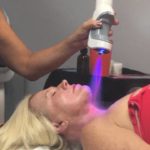
Years ago, I went into a Rancho Santa Fe, CA clinic for an advertised Vampire Facial. I watched with wonder as they drew blood from my arm and put it into a centrifugal force device that separated the red blood cells from the plasma. And it was the watery Platelet Rich Plasma (PRP) that the nurse practitioner injected into various area on my face.
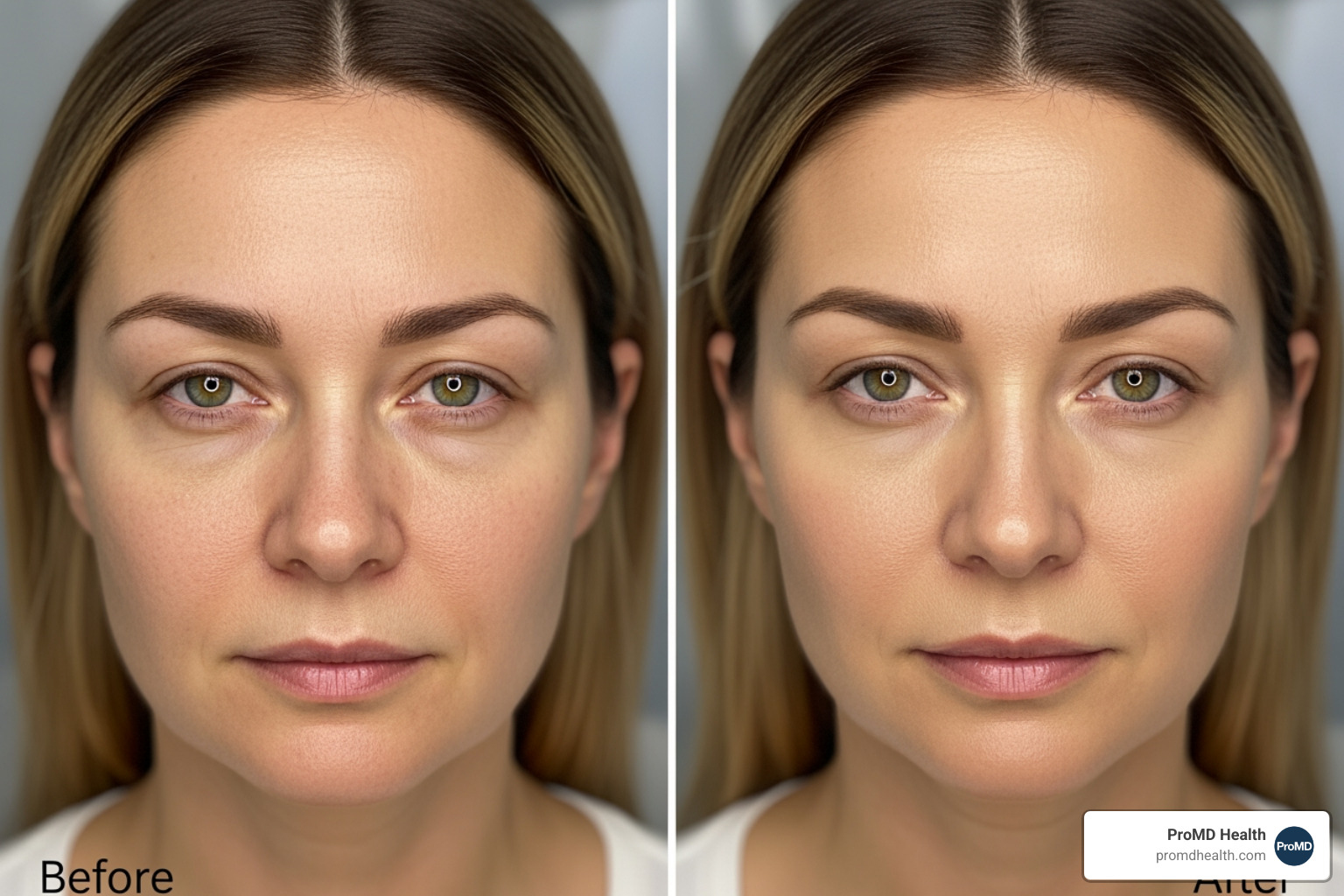 What I later came to understand is that these platelets are tiny powerhouses packed with growth factors such as PDGF (platelet derived growth factors) and VEGF (Vascular Endothelial Growth Factor–new blood vessels). In simple terms, these growth factors can stimulate cellular repair, angiogenesis (new blood vessel formation) and collagen formation, all of which can turn back the clock on aging skin.
Or almost.
As bodies and skin ages, blood plasma contains fewer of the desired growth factors, which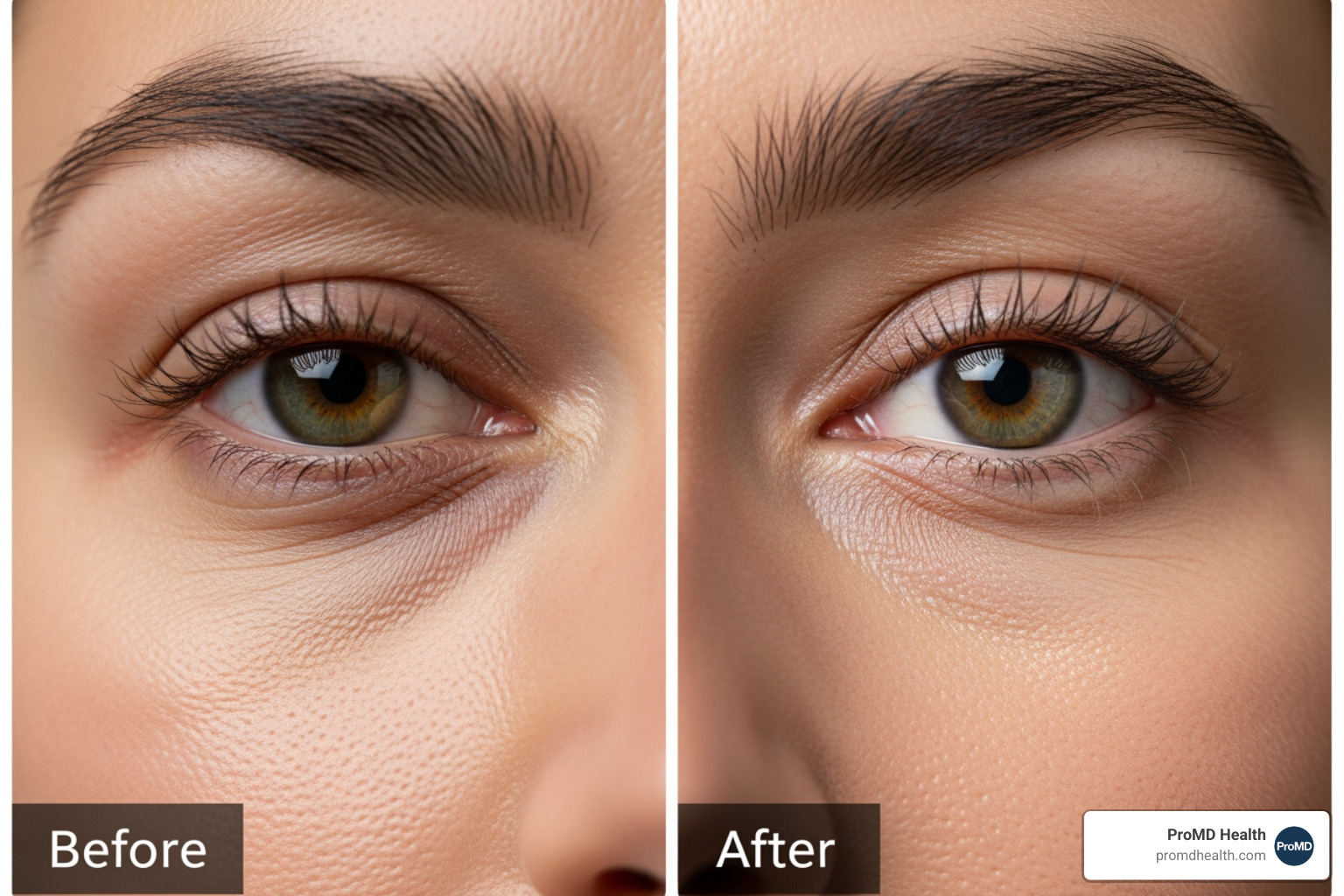 created a problem in search of a solution. However, when optimized, PRP can still yield impressive results, including increased epidermal thickness and collagen density, even in patients over 60.
The solution?
Cellenis: Precision Meets Potency
The star variant, Cellenis Derma PRP (also known as DermaFiller), transforms the concentrate into an autologous bio-gel via controlled activation. This gel provides immediate volume while offering sustained release of growth factors, leading to thicker, more elastic skin over time. Systematic reviews confirm PRP’s role in wrinkle reduction and nasolabial fold improvement, making it and products like Cellenis a cornerstone for non-surgical anti-aging. In essence, Cellenis upgrades standard PRP from a simple injection to a tailored, long-lasting treatment, making it particularly effective for those in their 50s 60s and 70s where baseline regenerative capacity may be lower.
I intend to visit Lueur Aesthetics and Denise LeBlanc in a couple of months to give Cellenis a try–along with another treatment or two. And in the meantime, I keep bugging husband Steve to pursue epidermal research with the Ussing Chambers manufactured by Physiologic Instruments in Venice, Florida. It seems logical that their equipment could be used for epidermal barrier and permeability of skin. These are issues being explored by big medical aesthetic companies like Galderma (Restalyne/Sculptra++), Allergan–now Abbvie (Botox/Juvederm ++) Merz Aesthetics and Johnson & Johnson.