You want your home to be one-of-a-kind. It’s for that reason you’re interested in purchasing handmade furniture over the cookie-cutter pieces you see in box stores.
We inherited a 20th century handmade desk with which I am unable to part. It’s not quite my style, but I so admire the craftsmanship, how easily and cleverly it comes apart, and the memories it holds.
But if this is your first time shopping for handmade furniture, you may be unsure of what deserves a closer look. Because handmade pieces aren’t mass-produced in a factory, each table, chair, cabinet, or bed frame will have its own marks of craftsmanship. This makes looking at the finer points more important if you want to drive home with a quality piece. Don’t worry; we’re here to run you through the must-checks before you fall in love with the first gorgeous thing you see.
Solid Construction
A handmade piece needs to feel sturdy before you bring it home. Give it a gentle shake, open a drawer, or sit down if it’s a chair. Nothing should wobble, drag, or shift like it’s negotiating with gravity. Good joinery feels secure because the maker took time to build the piece correctly from the inside out. The prettiest finish in the room can’t save a table that rocks every time someone sets down a plate.
Quality Materials
The material gives you the first clue about how the piece will handle everyday use. Solid wood has weight, depth, and natural variation that cheaper pieces struggle to match. Ask what the maker used and why it suits the piece. A dining table needs to handle daily meals, homework, spilled drinks, and someone dropping their keys on it after work. If the material doesn’t fit the job, the piece can age faster than you planned, and nobody wants buyer’s regret parked in the breakfast nook.
Little Details
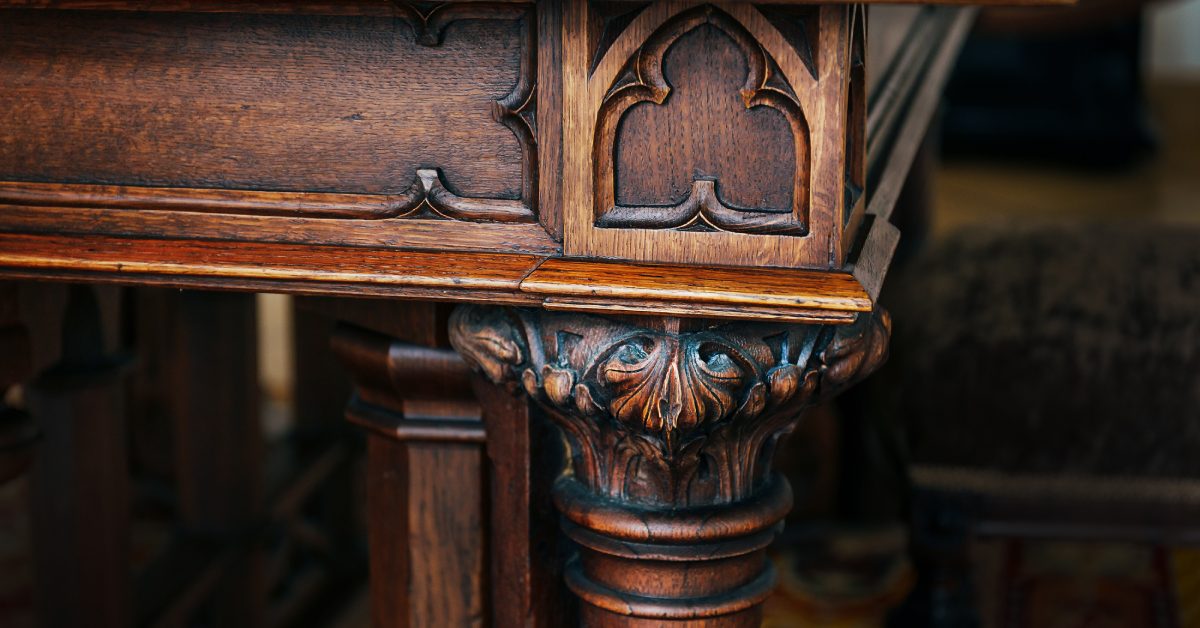
It’s the little details that make each piece of handmade furniture unique. One tabletop may have a wood grain pattern that pulls your eye across the surface. Another piece may have a hand-shaped curve that gives it a personal touch. Because these details are small, you may not notice them at first glance, but once you know they’re there, they can add depth to the piece and help you appreciate the craftsmanship more.
Proper Proportions
A piece can be beautiful and still be wrong for the room Before you buy, think about how the furniture will live in your space. A table that crowds every chair or a cabinet that blocks a walkway will annoy you long after the excitement wears off. Measure before shopping, then compare those numbers to the piece in front of you. Handmade furniture should fit your home without crowding the room or getting in the way.
Maker Communication
The maker should be able to explain the piece without turning the conversation into a woodworking lecture. You don’t need a crash course in joinery to buy a coffee table, but you do need answers that make sense. If you ask about the wood, finish, or care routine, the response should feel direct and useful. Vague answers can leave you guessing about quality after the money’s already spent. A skilled maker knows the piece from raw board to finished furniture and can talk about it plainly.
A Piece Worth Bringing Home
Shopping for handmade furniture should be fun, but your eyes can’t do all the decision-making. Check the structure, materials, finish, details, size, and maker communication before you buy. When you know what to look for when buying handmade furniture, you can choose a piece that fits your home and holds up to real use.