Trees act as the anchors of your landscape. They provide cooling shade, increase property value, and create a welcoming atmosphere for your home. While they often seem self-sufficient, these large plants require consistent maintenance to remain safe and vibrant. Neglect often leads to expensive removals or unexpected property damage during storms. You can ensure your property’s trees live a long life by adopting a few proactive habits.
Water Deeply and Infrequently
Many homeowners make the mistake of shallow watering. Sprinklers designed for grass rarely penetrate the soil deeply enough to satisfy a large tree. Roots grow where they find moisture. If you only water the surface, the roots stay near the top, which makes the tree unstable and vulnerable to drought.
Instead, aim for deep hydration. Place a hose at the base of the tree and let it trickle for 30 to 45 minutes. This encourages the roots to grow downward. Mature trees usually need this treatment once or twice a month during dry spells, while young trees require more frequent attention to establish their root systems.
Master the Art of Mulching
Mulch serves as one of the best tools for tree care. It regulates soil temperature, retains moisture, and suppresses weeds that compete for nutrients. However, correct application matters. Spread a layer of organic mulch, such as wood chips or shredded bark, about two to three inches thick around the base of the tree.
Shape the mulch like a donut rather than a volcano. Leave a few inches of bare soil directly around the trunk. Piling mulch against the bark traps moisture and causes rot, which invites pests and diseases.
Prune with Purpose
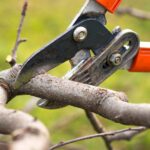
Regular pruning maintains the structure and safety of your trees. Focus on removing the “Three Ds”: dead, damaged, and diseased branches. Removing these limbs prevents decay from spreading to the healthy parts of the tree. Winter usually offers the best time for structural pruning, as the tree enters dormancy and you can see the branch structure clearly.
Always use sharp, clean tools to make precise cuts. If a branch hangs over your roof or near power lines, contact a professional rather than attempting the job yourself.
Monitor for Health Issues
Keep a close watch on the appearance of your trees. Changes in leaf color, early leaf drop, or strange growths on the bark often signal underlying problems. Dealing with tree disease symptoms requires a quick response. If you notice sticky residue on the leaves or sawdust near the base of the trunk, pests might be the culprit. Contact a certified arborist immediately if you spot these warning signs.
Consult the Experts
Trees represent a living investment. While you can take care of your trees with basic maintenance, some tasks require professional help. An annual inspection by a certified arborist ensures your trees remain an asset rather than a liability. They can spot structural weaknesses that an untrained eye might miss. By providing the right care today, you make sure your trees provide beauty and shade for generations to come.