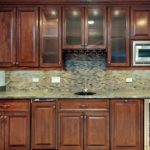
 Natural stone countertops offer a unique blend of elegance and durability, making them a popular choice for modern homes. Each slab is one-of-a-kind, providing a timeless and luxurious appeal that enhances any space. Understanding the characteristics of different stones and other basics of choosing a stone countertop is the first step toward making an informed purchase for your home.
Types of Natural Stone
Granite is a leading choice for its exceptional durability and resistance to heat and scratches. Its granular appearance comes in a wide spectrum of colors and patterns, suiting various design aesthetics. Many homeowners appreciate granite for its strength in high-traffic areas.
Marble offers classic beauty with its distinctive veining and soft, luminous surface. Though it requires more care than granite, its sophisticated appearance is unmatched. Many homeowners choose marble for its ability to create a statement in areas like kitchen islands or bathroom vanities.
Quartzite is another popular option known for its durability and resemblance to marble. It is harder than granite, making it highly resistant to scratches and etching. Homeowners who desire the look of marble with superior resilience often select quartzite.
Durability, Maintenance, and Cost
The durability and maintenance needs vary significantly among stone types. Granite and quartzite are highly durable and require minimal upkeep, while marble is more porous and susceptible to staining and etching.
The price depends on the rarity of the stone, its origin, and the complexity of the installation. Natural stone countertops are often much more expensive than man-made engineered stone for their uniqueness. Setting a clear budget helps narrow down the options that align with your financial plans.
Sealing and Maintenance
Proper sealing is crucial for protecting your natural stone countertop from stains and moisture. Most natural stones need to be sealed upon installation and then periodically resealed. Following the supplier’s recommendations for sealing frequency will preserve the stone’s integrity.
Practice daily cleaning with a pH-neutral cleaner or a soft cloth with warm water. Avoid using acidic or abrasive cleaners, as they can damage the stone’s surface over time. Promptly wiping up spills, especially from acidic substances like wine or citrus, prevents staining.
Choose a Quality Supplier
Selecting a reputable supplier is as important as choosing the right stone. A quality supplier will guide you through the selection process and provide expert advice on maintenance. They will also offer a diverse inventory of high-quality natural stone slabs to choose from.
Choosing a countertop is an investment in your home’s long-term value and aesthetic. By considering the different types, their durability, and maintenance needs, you can select a natural stone countertop material that fits your lifestyle. Proper care will ensure your countertop remains a beautiful and functional centerpiece for years to come.